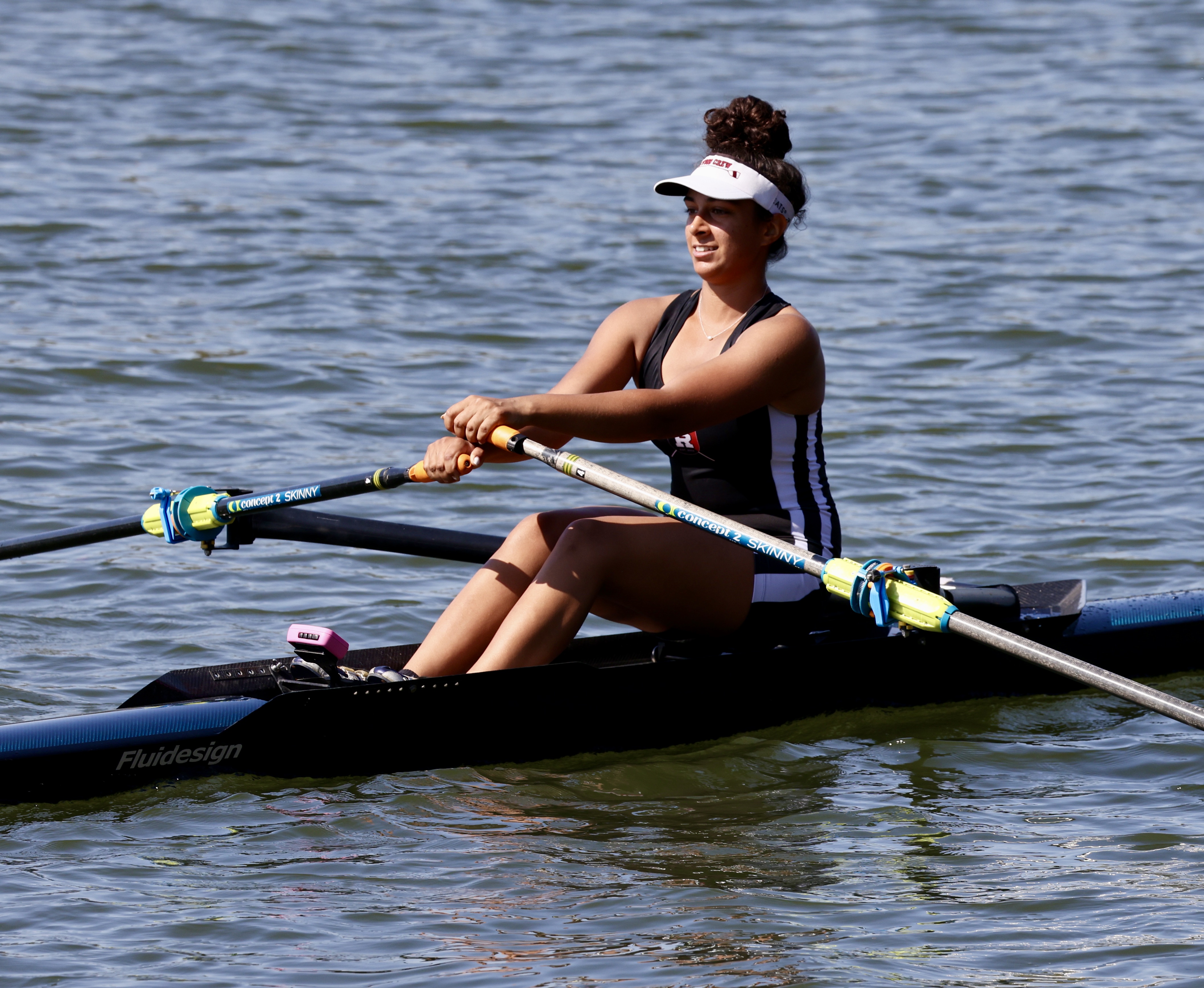

During Spring, I rowed at different sites for practice and regattas including: Passaic River, Riverside County, New Jersey; Cooper River, Camden County, New Jersey; and Schuylkill River, Philadelphia, Pennsylvania. The environmental water conditions differed tremendously.
From my perspective, the Passaic River is in the worst condition, with oil floating on the water, plastic products and other garbage flowing down the river, and a foul odor. The Passaic River has been on the Environmental Protection Agency’s Superfund list to clean hazardous waste. Scott Fallon from northjersey.com says that “The Passaic has long been one of the most polluted rivers in the U.S. Cancer-causing dioxin, PCBs, mercury, and other pollutants that were dumped primarily in the more industrial parts of the lower river have been swept by the tide to upriver communities that have homes and parks on its banks.”
The Schuylkill River was where we had most of our regattas. Although I rarely saw debris, it contains thousands of microplastics. In May 2022, the Seabins used to capture and filter plastic in rivers collected 890 pounds of plastic, of which the majority were microplastics.
I rowed on the Cooper River three times. 50 years ago, before the Clean Water Act, the river was 40% raw sewage. There have been efforts made to restore the natural growth of the Cooper River, including planting “river celery” to promote wildlife development.
 The Environmental Rower
Leave a comment