March 26, 2022
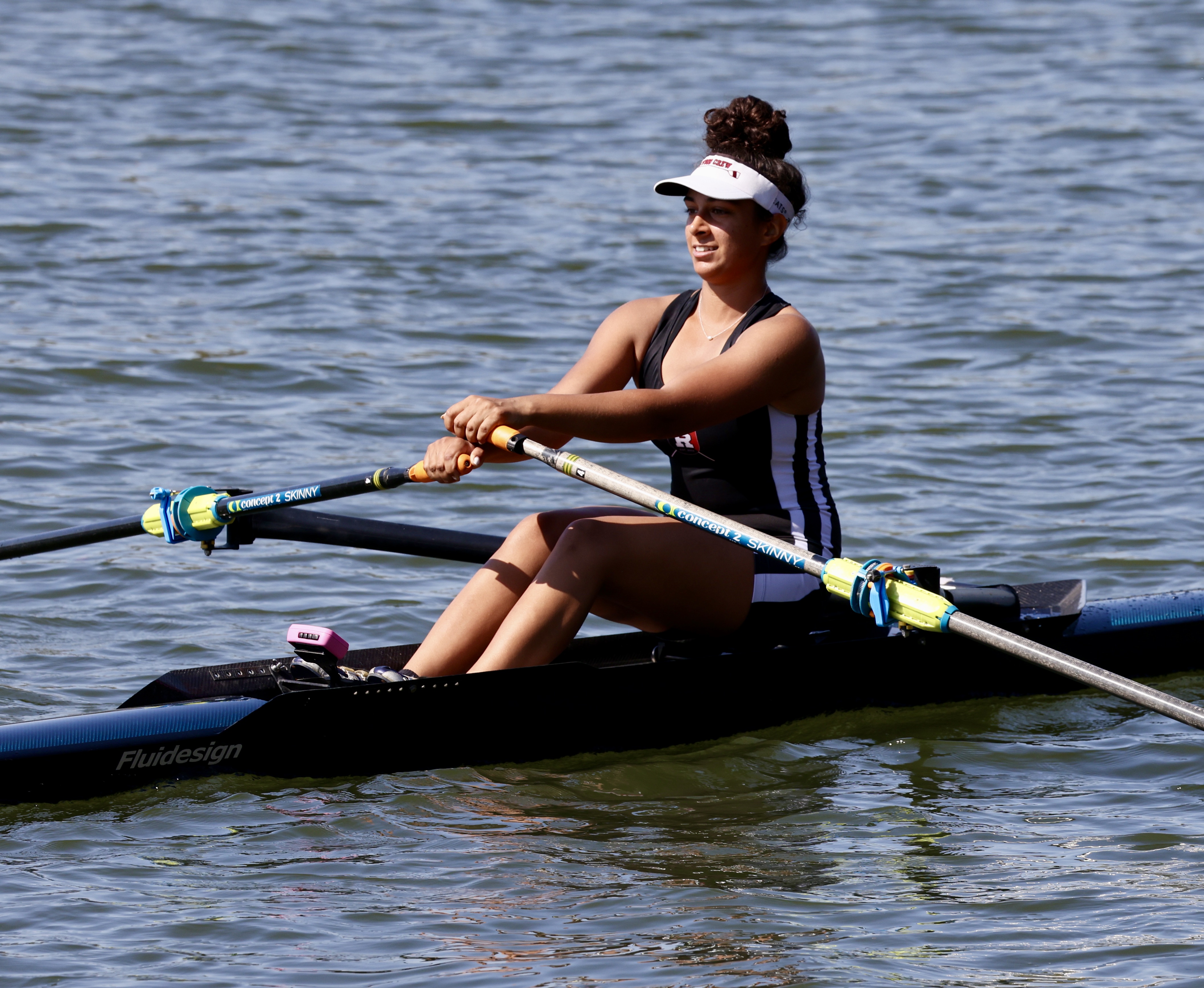
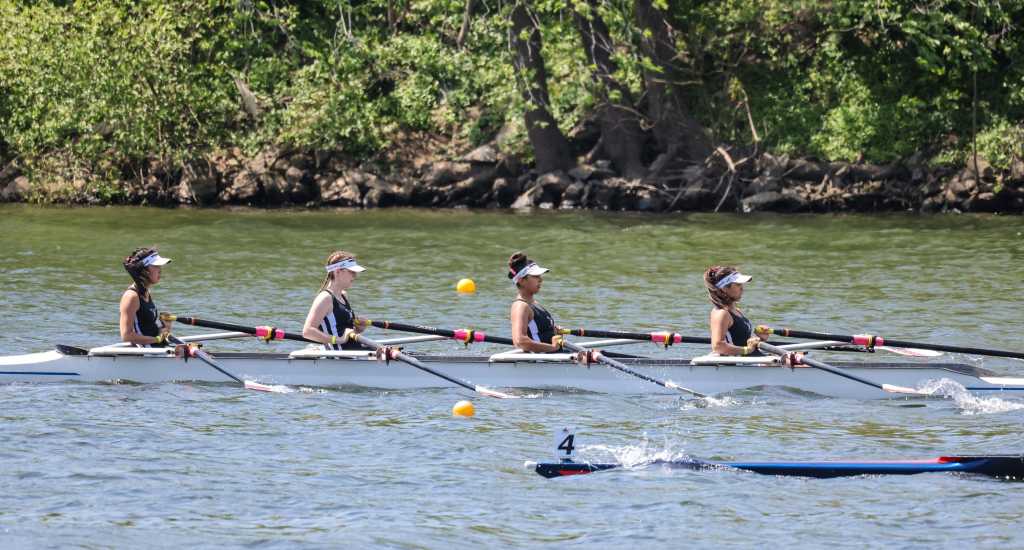
I started rowing during the summer of 2019, heading into my freshman year of high school. During the summer weeks as a novice rower, I saw how poorly the Passaic River was being maintained. It was brown in color, garbage and dead fish floated in the water and covered the banks of the river. I even heard a story about a dead body being found.
Later, in the fall of my freshman year, my coach showed my team what the Passaic had looked like in the past – more vibrant, blue in color, and it seemed more alive. The fall is when the Passaic River is at its worst. Before the garbage boat cleans the section of the river that my team rows on, there are long lines of trash floating in the water and it is hard to maneuver around them in a boat.
I’ve been fortunate enough to have traveled to different locations, including Martha’s Vineyard, an island off the coast of Massachusetts. On the way to Martha’s Vineyard, my family passed through Woods Hole, which is where I was first introduced to the Woods Hole Oceanographic Institution and the Sea Education Association (S.E.A.). I learned in August of 2019 that even small islands can do so much to protect the environment. Martha’s Vineyard had banned plastic bags in 2017, and in some places, they sold boxed water instead of plastic bottles. My family took these practices home with us – taking our own bags to the grocery store and no longer buying one-person water bottles.
These experiences gave me opportunities to see differences in water clarity and cleanliness, and first piqued my interest in environmental science.
 The Environmental Rower
Leave a comment